Posts

Showing posts with the label dry ager australia

How To Dry Age Steak Works At Home

Image
  If you've ever tasted a premium thick steak, dried for 4 to 6 weeks (and burned upside down), you've come pretty close to paradise on earth. One of the best beef jerky suppliers we know is the Chicago Beef Company. We also asked Matt Crowley (CEO of Chicago Steak) to share his thoughts on the various differences between wet raised beef and beef jerky and how to dry beef at your home. If you bought a steak in a grocery store, chances are you bought a wet-aged steak. Unlike dry aging, which is centuries old, wet aging is also a relatively various new technique, which was invented in the 1950s. Wet aging involves sealing steaks under vacuum, the same method used to prevent them from burning in the freezer when the meat is frozen. Although some people prefer wet-aged steaks, most Americans prefer dry-aged meat. Without oxygen, the chemical changes that must occur for the flavor of dried meat are not possible. Although a small amount of enzymatic change may occur in wet aged beef,...
How to Choose Dry Ager Meat Maturing: Everything You Need To Know

Image
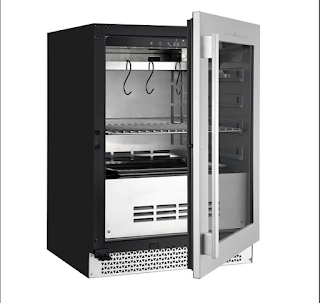
The dry-aging process is quite expensive, both in the equipment required and in the investment cost of the meat. It's not something you can do (properly) with a plastic bag or box, and you have to be prepared to cut out a good chunk of the final product that you worked so hard to create. Now if you're still on board after reading all of that, here's what you need to know: It is a post mortem treatment for beef designed primarily to enhance flavor, with the secondary benefit of promoting tenderness. Flavor development is determined by a reduction in moisture that correlates with a concentration of flavor and the cultivation of "good" mold and bacteria to give the meat a funky, nutty profile. In short, dry-aging makes the meat taste really good. What kind of steak can be dried at home? This is very important. You must not age individually cut steaks. Technically speaking, you can age individually cut steaks, but it's a colossal waste and silly to do so. Your me...

Buying Guide for Built in Under-Counter Glass Door Beverage Coolers & Refrigerator

Image
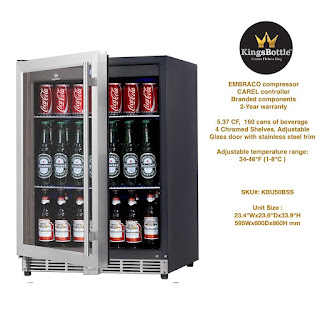
  An built-in under-counter glass door beverage cooler is a type of refrigerator that is specifically designed to store wine. Wine coolers are specifically designed to preserve wine and keep it properly and allow it to age over time. Not every home or budget can accommodate the preparation and purchase of a large winery, but every home could have a wine cooler!  From a normal wine lover to a wine expert, under-counter glass door beverage refrigerators are one of the most economical and effective ways to preserve and age wine. Wine coolers not only protect and store wine in a controlled environment that is perfectly suited to the needs of both young and old vines but are also efficient and affordable.  1. Constant temperature range for storing wine The digital thermostat cooler is designed to create a stable temperature range adjusted between 50 and 59 degrees Fahrenheit. Within this temperature range, wine can withstand short-term storage and grow ideally under long-term...

Steak Ager Fridge: Everything You Need to Know

Image
  Ever wonder why steak on a big rotisserie can taste so much better and more tender than the steaks you take off your backyard grill? Or why do they cost so much more?   Dry aging is the process by which large cuts of beef are aged for several weeks to several months before being trimmed and cut into fillets. It is a process that not only helps the steak develop flavor, but also makes it much more tender than it would be completely fresh.   Dry-aged meat, or even dry-aged beef, has been the steak trend for several years. At the center of attention are buttery nutty flavors and high-quality processing. The maturation process requires quality criteria, from the texture of the meat to the technique of the process. You can even age your own meat at home. For example, with a dry-aging refrigerator.   When there were still no stable ventilation and cooling systems, butchers overpowered an enemy in dry-ripening: rotten bone marrow. That is why the decision was...